
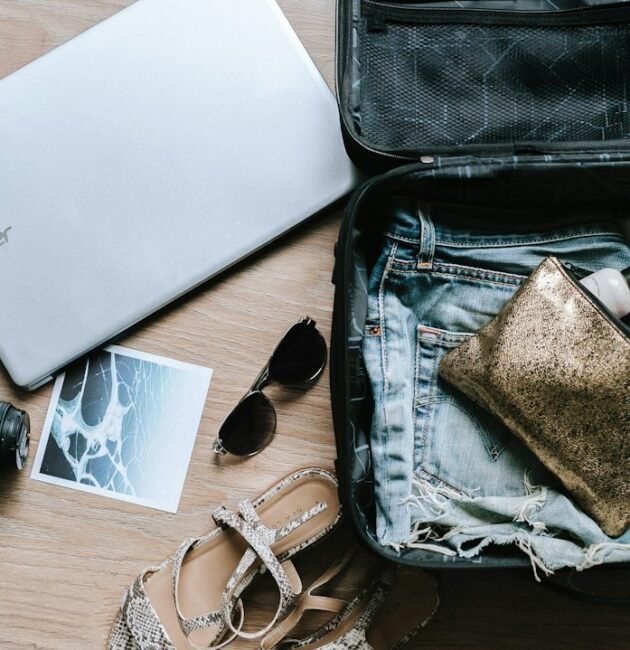
Many of us love to travel, but getting from point A to point B, especially when it involves multiple stops, different countries, or just a lengthy journey, can feel a bit daunting. The good news is, with a few savvy strategies, you can significantly smooth out the bumps and make your travel experience much more enjoyable. Think of it as having an insider’s guide to navigating airports, packing smart, and generally making your trip less stressful and more about the adventure. This article will share some practical tips, tricks, and hacks to help you travel more efficiently and confidently, whether you’re a seasoned globetrotter or planning your first big adventure.
Mastering the Art of Pre-Trip Preparation
A successful journey often starts long before you even leave your driveway. Thoughtful preparation can save you headaches, money, and precious time down the road. It’s about laying a solid foundation so you can focus on the fun parts of your trip.
Document Dive: Passports, Visas, and Copies
First things first: your identification. Ensure your passport is valid for at least six months beyond your planned return date for international travel. Many countries enforce this rule strictly, and you don’t want to be denied boarding at the last minute. For domestic trips, check what ID is required – a driver’s license usually suffices, but it’s always good to confirm, especially if you have an older license.
Regarding visas, research your destination’s requirements well in advance. Some countries offer visa-on-arrival, while others demand a lengthy application process. Don’t leave this to the last minute; apply as soon as you have your travel dates solidified.
Once you have all your critical documents, make digital and physical copies. Store digital copies in a cloud service or email them to yourself, and leave a physical set with a trusted person back home. Carry separate physical copies in a different bag than your originals. This way, if your main documents are lost or stolen, you have backups.
Financial Forethought: Money Matters Abroad
Before you go, inform your bank and credit card companies of your travel plans. This prevents them from flagging unusual foreign transactions as fraud and freezing your accounts. Nothing’s worse than being stranded without access to your funds.
Research the local currency exchange rates and consider whether it’s better to exchange money beforehand, use ATMs at your destination, or rely on credit cards. Generally, using a debit card at an ATM affiliated with your bank (or a global network) often yields the best exchange rates, but be aware of foreign transaction fees. Many travel-focused credit cards offer no foreign transaction fees, which can be a real money-saver.
It’s also wise to carry a small amount of local currency for immediate expenses like taxis or snacks upon arrival, as not all places accept cards. Keep some emergency cash hidden separately from your main wallet.
Health and Safety Check-up
Consult your doctor about any recommended vaccinations for your destination. Some vaccines require multiple doses over several weeks, so factor that into your timeline. Pack any prescription medications in your carry-on with a copy of your prescription, just in case. It’s also a good idea to bring a small, personalized first-aid kit with essentials like pain relievers, band-aids, antiseptic wipes, and any over-the-counter remedies you frequently use.
Research the local emergency numbers for your destination. Know where your country’s embassy or consulate is located. Consider travel insurance; while it seems like an extra cost, it can be invaluable for unexpected medical emergencies, trip cancellations, or lost luggage. Better safe than sorry.
Smart Packing for Every Occasion
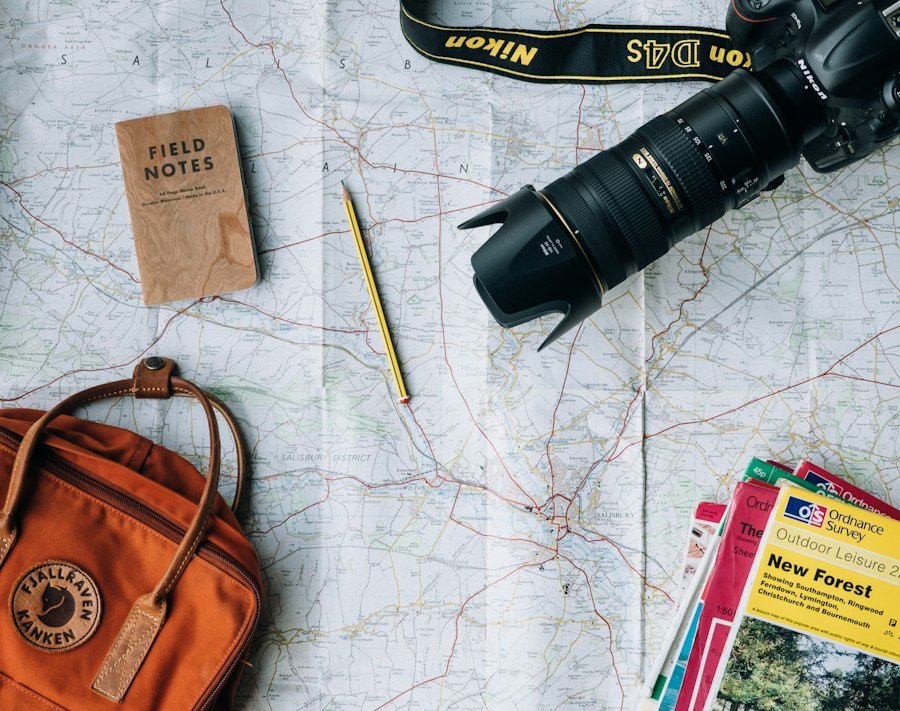
Packing is often seen as a chore, but with a few clever strategies, it can become an efficient process that sets you up for a stress-free trip. The goal is to maximize space, minimize weight, and ensure you have everything you need without overpacking.
The Carry-On Only Challenge
For shorter trips (a week or less), try to fit everything into a carry-on. This saves you checked bag fees, the risk of lost luggage, and precious time waiting at the baggage claim. Investing in a good quality, lightweight carry-on that meets most airline size restrictions is a game-changer.
To achieve this, focus on versatility. Choose clothes that can be mixed and matched, and layered. Neutrals are your friends. Lay out all your intended items, then ruthlessly remove at least a third. You probably don’t need that “just in case” outfit.
Rolling vs. Folding vs. Packing Cubes
There’s much debate on the best way to pack clothes.
- Rolling can save space and reduce wrinkles for some fabrics. It’s particularly effective for T-shirts, jeans, and casual wear.
- Folding works well for more structured garments like shirts and dresses. Consider the “bundle wrapping” method, where you wrap individual items around a central core to minimize creases.
- Packing cubes are arguably the most effective. They compartmentalize your luggage, making it easy to organize different types of clothing (e.g., shirts in one, underwear in another). They also help compress clothes, creating more space and keeping your bag tidy even when rummaging.
No matter your preferred method, always pack heavier items at the bottom of your suitcase (near the wheels) to maintain balance and prevent crushing lighter items.
Essentials in Your Personal Item
Your “personal item” (a backpack, large purse, or messenger bag) is prime real estate. This is where you should keep anything you absolutely can’t do without or might need quickly during transit.
- Documents: Passport, wallet, boarding passes (digital and physical).
- Medications: Any prescription drugs you need.
- Electronics: Phone, charger, portable power bank, headphones.
- Valuables: Jewelry, expensive cameras.
- Entertainment: Book, e-reader, tablet.
- Comfort items: Neck pillow, eye mask, earplugs (especially for long flights).
- A change of clothes: A simple change of underwear, socks, and a t-shirt can be a lifesaver if your main luggage is delayed.
This ensures that if your carry-on is gate-checked or your checked bag goes missing, you still have your most crucial items readily available.
Toiletries: The Liquid Lowdown
For carry-on travel, liquids, gels, and aerosols must adhere to the TSA’s 3-1-1 rule: containers must be 3.4 ounces (100 milliliters) or less, fit in one quart-sized bag, and each passenger is limited to one such bag.
- Decant: Use small travel-sized bottles for your shampoo, conditioner, lotion, and other liquids.
- Solid alternatives: Consider solid shampoo bars, soap bars, solid deodorant, and toothpaste tablets to bypass liquid restrictions entirely.
- Travel-sized everything: Many brands offer miniature versions of popular products.
- Multi-use products: A tinted moisturizer with SPF, or a shampoo/conditioner combo can reduce the number of bottles you need.
Remember to place your quart-sized bag in an easily accessible part of your carry-on for quick removal at security checkpoints.
Navigating Airports and Transit Like a Pro
Airports can be overwhelming, but with a few strategic moves, you can streamline your experience and minimize stress. It’s all about being prepared and knowing what to expect.
Check-in and Security Hacks
- Online check-in: Always check in online before you arrive at the airport. This saves time, allows you to select seats, and often lets you bypass the check-in counter entirely if you only have a carry-on.
- Early bird gets the worm: Arrive at the airport with ample time, especially for international flights. Security lines can be unpredictable. Being rushed is a surefire way to increase stress.
- Security prep: Before you get to the security scanner, start preparing. Take off your belt, remove your laptop and liquids bag from your carry-on, empty your pockets, and take off any bulky jewelry. Wear slip-on shoes to make removing them easier.
- TSA PreCheck/Global Entry: If you travel frequently, consider enrolling in programs like TSA PreCheck (for domestic US travel) or Global Entry (for international arrivals into the US). These programs significantly speed up the security and customs process by offering expedited lines and less intrusive screening.
Master the Layover
Layovers can be a bore or an opportunity.
- Research the airport: Know what amenities are available. Are there comfortable lounges, good restaurants, or even sleep pods?
- Lounge access: If you have a long layover, consider purchasing a day pass to an airport lounge, or use lounge access benefits from certain credit cards. They offer a quiet space, free Wi-Fi, food, and drinks, which can make a huge difference.
- Stretch and move: Don’t just sit there. Walk around, stretch, and stay hydrated. This helps prevent stiffness and jet lag.
- Strategic timing: When booking connecting flights, try to aim for layovers of at least 2-3 hours for international flights and 1.5-2 hours for domestic. This provides a buffer in case of delays. For extremely tight connections, you’re rolling the dice.
The Art of Boarding
- Don’t rush the gate: Unless you’re in the first boarding group (for overhead bin space), there’s no need to stand in line as soon as boarding is called. Your seat isn’t going anywhere. Wait until your boarding group is called or when the line has thinned out.
- Be polite: Air travel is stressful for many. A little patience and courtesy go a long way, especially with airline staff.
- Overhead bin strategy: If you have a carry-on, try to find space directly above your seat. If that’s full, look for space further back in the plane rather than trying to cram it in ahead of your seat. Just remember to grab it before you exit!
In-Flight Comfort and Productivity
Long flights don’t have to be agonizing. With a bit of foresight, you can make your time in the air much more comfortable and even productive.
Hydration is Key
Airplane cabins are notoriously dry. Dehydration can exacerbate jet lag and make you feel generally unwell.
- Drink water constantly: Bring a reusable water bottle and fill it up after security. Keep sipping throughout your flight.
- Avoid alcohol and excessive caffeine: While tempting, these can dehydrate you further and disrupt your sleep cycle. If you do indulge, balance it with extra water.
- Moisturize: Your skin will also feel the dryness. A small travel-sized moisturizer and lip balm can provide relief.
Battle Against Jet Lag
Jet lag is the bane of long-haul travel, but you can mitigate its effects.
- Adjust sleep schedule early: A few days before your trip, start shifting your sleep schedule closer to your destination’s time zone.
- Onboard strategy: Try to sleep on the plane if it’s nighttime at your destination. Use an eye mask and earplugs to create a dark, quiet environment. If it’s daytime at your destination, try to stay awake.
- Sunlight exposure: Once you arrive, get as much natural sunlight as possible during the day. This helps reset your circadian rhythm.
- Resist naps (initially): Try to stay awake until the local bedtime, even if you’re exhausted. A short power nap (20-30 minutes) might be okay, but avoid long naps that throw off your night’s sleep.
Entertainment and Essentials
Prepare a well-stocked in-flight kit for maximum comfort and minimal boredom.
- Offline entertainment: Download movies, TV shows, podcasts, and audiobooks to your devices beforehand. Airplane Wi-Fi can be unreliable or expensive.
- Comfort items: A good neck pillow, eye mask, and noise-canceling headphones are game-changers for sleep and relaxation.
- Snacks: While airlines provide meals, having your favorite healthy snacks (nuts, fruit, granola bars) can be a lifesaver, especially if you have dietary restrictions or don’t like the airline food.
- Chargers and power bank: Ensure your devices are fully charged before boarding, and carry a portable power bank for top-ups.
Post-Arrival Wisdom and Local Immersion
| Category | Tip/Trick/Hack | Benefit | Example |
|---|---|---|---|
| Packing | Roll clothes instead of folding | Save space and reduce wrinkles | Fit more outfits in a carry-on bag |
| Booking Flights | Use incognito mode when searching | Prevent price hikes based on search history | Find cheaper airfare options |
| Accommodation | Book directly with hotels | Access exclusive deals and perks | Free breakfast or room upgrades |
| Airport Hacks | Arrive 2 hours early for domestic flights | Reduce stress and allow time for security | Catch unexpected gate changes |
| Money | Use a travel rewards credit card | Earn points for flights and hotels | Redeem points for free upgrades |
| Local Transportation | Download offline maps | Navigate without internet connection | Use Google Maps offline mode |
| Safety | Keep digital copies of important documents | Quick access if originals are lost | Scan passport and ID to cloud storage |
| Communication | Buy a local SIM card or portable Wi-Fi | Save on roaming charges | Stay connected with affordable data plans |
The journey isn’t truly over until you’ve settled in and started enjoying your destination. A few final hacks can ensure a smooth transition from travel mode to vacation mode.
Navigating Upon Arrival
- Pre-book transfers: If possible, arrange airport transfers in advance. This avoids stressful haggling with taxi drivers or figuring out public transport with heavy luggage when you’re tired. Many hotels offer this service, or you can use reputable ride-sharing apps or shuttle services.
- Local SIM card/eSIM: Consider purchasing a local SIM card or an eSIM upon arrival for affordable data and calls. This is usually much cheaper than international roaming charges. Having reliable internet access is invaluable for navigation, communication, and looking up local information.
- Public transport research: Before you land, have a basic understanding of your destination’s public transportation system. Knowing how to get to your accommodation via bus, train, or metro can save you money and give you a more authentic local experience. Have offline maps downloaded.
Staying Connected and Safe
- Inform loved ones: Let friends and family know you’ve arrived safely.
- Local emergency numbers: Reiterate knowing the local emergency numbers. Have them saved in your phone.
- Keep valuables secure: Use a money belt or secure inner pockets for passports, large sums of cash, and extra credit cards. Be aware of your surroundings, especially in crowded tourist areas.
- Hotel safety: When checking into your hotel, remember your room number without saying it aloud, and avoid announcing it in public areas. Use the peephole before opening your door.
- Blend in: Try to avoid looking like an obvious tourist. Dress appropriately for the local culture and avoid flashing expensive gadgets or large amounts of cash.
Embracing the Experience
- Wander and explore: While having a plan is good, leave room for spontaneity. Some of the best discoveries are made by simply wandering off the beaten path.
- Try local cuisine: Be adventurous with food! It’s a huge part of experiencing a new culture. Ask locals for recommendations.
- Learn a few phrases: Even just “hello,” “thank you,” and “excuse me” in the local language can go a long way in showing respect and fostering positive interactions.
- Be open-minded: Cultures differ, and things might not always go as planned. Embrace the differences, learn from unexpected situations, and maintain a flexible attitude. That’s part of the adventure.
Traveling well is less about spending a fortune and more about smart planning and practical execution. By adopting these tips, tricks, and hacks, you’ll find yourself not just surviving your journeys, but truly thriving and enjoying every step of the way. Happy travels!