
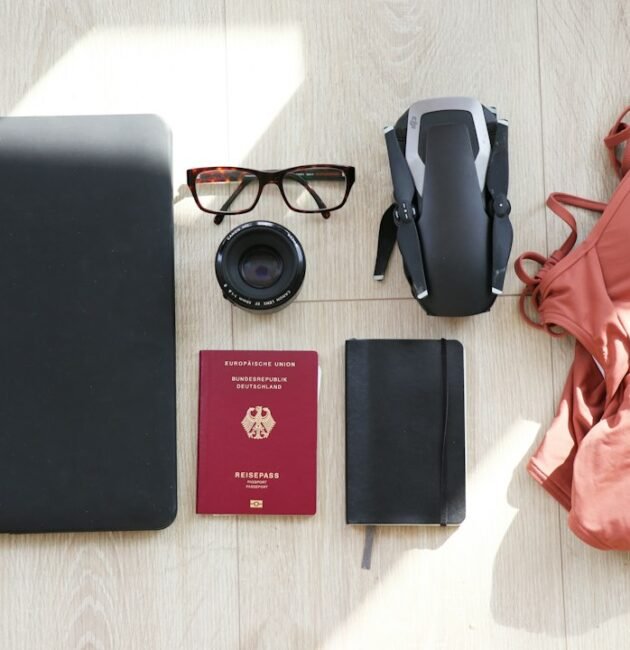
So, you’re looking for those little nuggets of wisdom that make travel less of a scramble and more of a smooth cruise? Good news, you’re in the right place. We’re talking about those practical tips and tricks that seasoned travelers swear by, designed to save you time, money, and a whole lot of stress. Forget the fluff; this is about getting you from point A to point B with ease, ensuring your journey is as enjoyable as your destination.
Before You Even Pack: Smart Planning & Paperwork
Getting your ducks in a row before you even think about luggage is crucial. A little foresight here can prevent major headaches later.
Digital Document Duplicates
Before you leave, snap photos or scan all your important documents – passport, visa, flight tickets, hotel reservations, insurance details. Store them securely in the cloud (like Google Drive or Dropbox) and also email them to yourself. This way, if your physical documents go missing, you have accessible backups. It’s a lifesaver for proving your identity or rebooking flights.
Master the Visa Process Early
Don’t wait until the last minute to check visa requirements. Some countries have lengthy application processes, require specific documentation, or even mandate in-person interviews. Research well in advance and apply with plenty of buffer time. Unexpected holidays or processing delays can throw a wrench in your plans if you’re not prepared.
Research Local SIM Cards or eSIMs
Arriving in a new country without immediate connectivity is frustrating. Before you go, research local SIM card providers or consider an eSIM compatible with your phone. Many providers offer affordable tourist packages. This ensures you have data for maps, ride-sharing apps, and communication as soon as you land, avoiding expensive roaming charges.
Pre-Book Airport Transfers
Especially if you’re arriving late at night or in an unfamiliar city, pre-booking an airport transfer can save you stress and potential overcharges. Research reputable companies or check if your hotel offers a shuttle service. This ensures a smooth transition from arrival gate to accommodation.
Alert Your Bank and Credit Card Companies
Nothing is worse than having your card declined mid-trip because your bank thought it was suspicious activity. Call your bank and credit card companies before you leave and inform them of your travel dates and destinations. Also, ask about foreign transaction fees and consider bringing a backup card from a different network.
Packing Like a Pro: Efficiency & Essentials
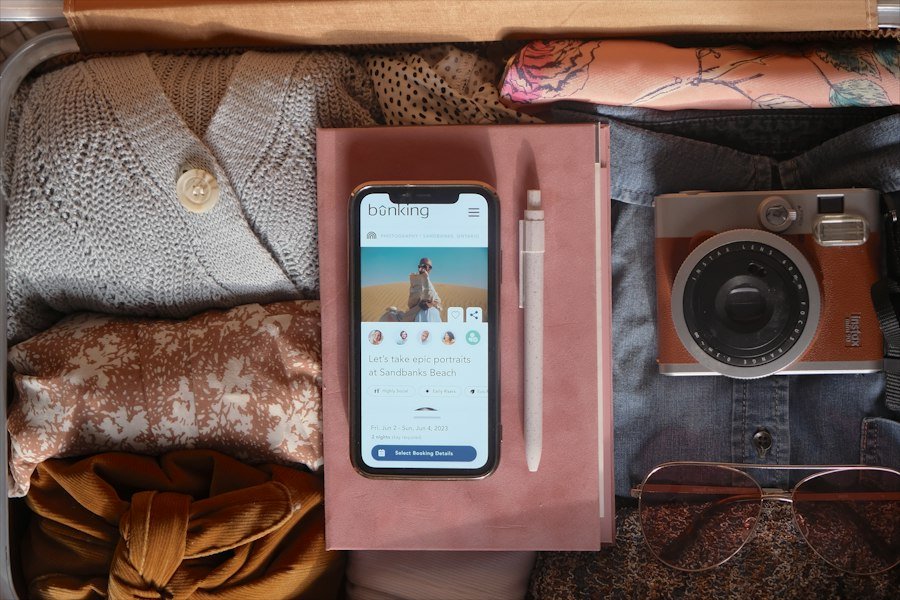
Packing efficiently isn’t just about saving space; it’s about making sure you have what you need without being bogged down by unnecessary weight.
The Rolling Method for Clothes
Instead of folding, roll your clothes tightly. This not only saves space but also tends to reduce wrinkles, especially for items like t-shirts and jeans. It allows you to see more of your wardrobe at a glance when you open your suitcase, rather than digging through flat piles.
Cubes Are Your Best Friend
Packing cubes are a game-changer. They compartmentalize your luggage, making it easy to organize different types of clothing (e.g., shirts in one cube, underwear in another). This speeds up packing, unpacking, and finding specific items without rummaging through your entire bag.
Wear Your Heaviest Items
When flying, wear your bulkiest items like a heavy jacket, hiking boots, or a chunky sweater. This frees up valuable space and weight in your luggage, potentially helping you avoid overweight baggage fees. It also keeps you warm on a chilly flight.
Utilize Every Nook and Cranny
Fill shoes with socks, underwear, or small accessories. Use the inside of hats for delicate items. Every empty space is a missed opportunity for efficient packing. This also helps maintain the shape of items like shoes.
The “Toiletries First” Rule
If you’re only taking a carry-on, get your TSA-compliant liquids bag ready first. Know what you need and what size it needs to be. For longer trips, consider solid alternatives like shampoo bars or powder sunscreen to save space and avoid liquid restrictions.
Pack a “First Night” Bag
In your carry-on, pack a small pouch with essentials for your first night: a change of underwear, a toothbrush, a small face wash, and any crucial medications. This way, if your checked luggage is delayed, you’re not completely stranded.
Invest in a Portable Charger
Your phone is your map, camera, communication device, and entertainment. A portable power bank is non-negotiable for long travel days, ensuring you’re never caught with a dead battery when you need it most. Make sure it’s fully charged before you leave.
Navigating Airports & Flights: Smooth Sailing
Airports can be chaotic, but with a few smart moves, you can glide through them with ease.
Download Offline Maps
Before you land, download offline maps of your destination on Google Maps or Maps.me. This way, you can navigate even without an internet connection, saving you data and ensuring you can always find your way.
Hydrate, Hydrate, Hydrate
Airplane cabins are incredibly dry. Drink plenty of water before, during, and after your flight to combat dehydration and reduce jet lag symptoms. Carry an empty reusable water bottle and fill it up after security.
Beat Jet Lag Strategically
Adjust your watch to your destination’s time zone as soon as you board the plane. Try to sleep and eat according to the new time. Get some sunlight exposure upon arrival and avoid heavy meals or excessive caffeine.
Use Noise-Cancelling Headphones
Flights can be noisy. Investing in a good pair of noise-cancelling headphones can dramatically improve your comfort, whether you’re trying to sleep, listen to music, or just enjoy some peace and quiet.
Dress in Layers
Airplane temperatures can fluctuate wildly. Dressing in layers allows you to adjust your comfort level easily, whether the cabin is blasting cold air or feeling stuffy. A light scarf can also double as a blanket or pillow.
Skip the Checked Bag When Possible
If your trip allows, try to travel with just a carry-on. This saves time at check-in, avoids baggage claim waits, and eliminates the risk of lost luggage. It also encourages more efficient packing.
On the Ground: Making the Most of Your Destination
Once you’ve arrived, these tips will help you maximize your experience and minimize potential pitfalls.
Learn Basic Local Phrases
Even a few words like “hello,” “thank you,” “please,” and “excuse me” in the local language can go a long way. It shows respect, often elicits a warmer response from locals, and can be genuinely helpful in everyday interactions.
Get Local Currency from an ATM
Generally, getting local currency from an ATM at your destination (ideally one associated with a major bank) offers better exchange rates than airport kiosks or currency exchange offices. Just be aware of potential foreign transaction fees from your bank.
Be Aware of Tourist Scams
Research common scams in your destination. From inflated taxi fares to fake tour guides, being aware of potential pitfalls can save you money and headaches. Trust your gut; if something feels off, it probably is.
Embrace Public Transportation
Public transport is often the most cost-effective and authentic way to get around a city. Research local bus, train, or metro systems before you go. It’s a great way to experience the city like a local.
Eat Where the Locals Eat
Avoid tourist traps. Ask locals for restaurant recommendations or look for places that are bustling with local patrons. These spots usually offer better food at more reasonable prices.
Walk Whenever Possible
Walking is not only free exercise but also the best way to truly absorb the atmosphere of a new place. You’ll stumble upon hidden gems, notice architectural details, and get a better feel for the city’s rhythm.
Carry a Daypack with Essentials
When exploring, a small daypack is invaluable. Fill it with water, snacks, a light jacket, your portable charger, and any personal items you might need throughout the day. This saves you from constantly returning to your accommodation.
Safety & Security: Peace of Mind on Your Journey
| Hack Number | Travel Hack | Description | Benefit |
|---|---|---|---|
| 1 | Pack Light | Use a carry-on only to avoid checked baggage fees and save time at the airport. | Cost saving and convenience |
| 2 | Roll Clothes | Roll clothes instead of folding to maximize luggage space and reduce wrinkles. | More efficient packing |
| 3 | Use Packing Cubes | Organize your luggage with packing cubes for easy access and better space management. | Organization and space saving |
| 4 | Download Offline Maps | Save maps offline on your phone to navigate without internet access. | Reliable navigation |
| 5 | Bring a Reusable Water Bottle | Stay hydrated and save money by refilling your bottle instead of buying water. | Cost saving and eco-friendly |
| 6 | Use Incognito Mode for Flight Searches | Search flights in incognito mode to avoid price hikes based on search history. | Potentially lower prices |
| 7 | Set Flight Price Alerts | Use apps to get notified when flight prices drop. | Save money on airfare |
| 8 | Bring a Portable Charger | Keep your devices charged on the go. | Stay connected |
| 9 | Use Local SIM Cards | Buy local SIM cards for cheaper data and calls abroad. | Cost saving on communication |
| 10 | Carry a Scarf or Sarong | Multi-purpose item for warmth, privacy, or covering up. | Versatility |
| 11 | Book Flights on Tuesdays | Often cheaper flight deals are available on Tuesdays. | Save on airfare |
| 12 | Use TSA-Approved Locks | Secure luggage with locks that TSA can open if needed. | Security and compliance |
| 13 | Bring Snacks | Carry your own snacks to avoid expensive airport food. | Cost saving and convenience |
| 14 | Check Visa Requirements Early | Research visa needs well before travel to avoid last-minute issues. | Stress reduction |
| 15 | Use Credit Cards with No Foreign Transaction Fees | Save money on purchases abroad by using the right credit cards. | Cost saving |
| 16 | Bring a Travel Pillow | Enhance comfort on long flights or bus rides. | Improved rest |
| 17 | Use Public Transportation | Save money and experience local culture by using buses and trains. | Cost saving and authentic experience |
| 18 | Learn Basic Local Phrases | Know simple greetings and questions in the local language. | Better communication |
| 19 | Take Photos of Important Documents | Keep digital copies of passport, visa, and tickets. | Backup in case of loss |
| 20 | Use a Money Belt | Keep cash and important documents safe and hidden. | Security |
| 21 | Book Accommodation with Free Cancellation | Allows flexibility if plans change. | Flexibility |
| 22 | Travel During Shoulder Season | Visit destinations just before or after peak season for fewer crowds and better prices. | Cost saving and less crowded |
| 23 | Use Google Translate App | Translate signs and conversations instantly. | Improved communication |
| 24 | Bring a Small First Aid Kit | Handle minor injuries or illnesses on the go. | Health safety |
| 25 | Wear Comfortable Shoes | Essential for walking and exploring. | Comfort and injury prevention |
| 26 | Use a VPN | Secure your internet connection and access region-restricted content. | Security and access |
| 27 | Bring Ziplock Bags | Keep electronics and documents dry and organized. | Protection and organization |
| 28 | Check Weather Forecasts | Pack appropriate clothing and plan activities accordingly. | Preparedness |
| 29 | Use Local Currency | Pay in local currency to avoid unfavorable exchange rates. | Cost saving |
| 30 | Inform Bank of Travel Plans | Avoid credit card blocks by notifying your bank before traveling. | Uninterrupted card use |
Keeping yourself and your belongings safe is paramount. A few simple practices can make a big difference.
Use a VPN for Public Wi-Fi
Public Wi-Fi networks (at airports, cafes, hotels) are often unsecured. Using a Virtual Private Network (VPN) encrypts your internet connection, protecting your sensitive data from potential hackers.
Separate Your Valuables
Don’t keep all your money, credit cards, and important documents in one place. Distribute them across different bags or pockets. If one item is lost or stolen, you won’t lose everything.
Share Your Itinerary
Let a trusted friend or family member back home know your travel plans, including flight details and accommodation bookings. Check in with them periodically, especially if you’re traveling solo.
Be Mindful of Your Surroundings
Keep an eye on your belongings, especially in crowded areas. Avoid displaying expensive items overtly. Stay aware of people around you and trust your instincts if a situation feels uncomfortable.
Know Emergency Numbers
Before you go, jot down the local emergency numbers (police, ambulance, fire) for your destination. Also, have the contact information for your embassy or consulate readily available.
Photocopy Important Cards
Before you leave, make photocopies (front and back) of your credit cards, debit cards, and driver’s license. Keep these separate from your actual cards. If they’re lost or stolen, you’ll have all the necessary information to cancel them quickly.
These tips are designed to be practical tools in your travel arsenal. They aren’t about reinventing the wheel, but rather about refining your approach to make every journey a little bit smoother. Happy travels!