

Looking for a wallet-friendly place to stay close to those must-see sights? It’s totally doable! You don’t always have to splurge on fancy hotels to be right in the thick of things. The trick is knowing where to look and what to prioritize. This guide will walk you through finding those hidden gems – budget-friendly hotels that put you in prime position for exploring, without breaking the bank. We’ll focus on practical tips and real-world examples, helping you stretch your travel budget further so you can enjoy more of your trip.
Unpacking What “Budget” Really Means Near Attractions
When we talk about “budget” hotels near popular tourist attractions, it’s a bit of a relative term. What’s considered budget in, say, London, will be very different from a budget option in a smaller city. The key here isn’t necessarily the cheapest possible room, but rather the best value for money considering its proximity to major sights. You’re looking for a comfortable, clean, and safe place to sleep that doesn’t eat up your entire daily allowance, allowing you to spend more on experiences, food, and souvenirs.
The Value Equation: Proximity vs. Price
Often, the closer you get to a major attraction, the higher the price tag. This isn’t groundbreaking news. However, there’s a sweet spot. Sometimes, being just a couple of metro stops or a short bus ride away can dramatically drop the price while still keeping you easily connected. Think about how much your time is worth versus how much you save. A 15-minute public transport ride might save you $50 a night compared to a hotel directly across the street from a landmark. That’s a pretty good trade-off for many travelers.
What to Expect from a Budget Hotel Near Sights
Don’t expect five-star amenities. Budget hotels near attractions typically offer clean rooms, a private bathroom (though sometimes compact), and basic necessities like Wi-Fi. Many might skip things like a full-service restaurant or a pool, but often include a continental breakfast, which is a great way to save a few bucks each morning. The focus is usually on efficiency and location. Review sites like TripAdvisor and Booking.com are your best friends here, as they’ll give you a realistic picture of what other travelers experienced. Pay close attention to reviews mentioning cleanliness, comfort of beds, and noise levels.
Smart Strategies for Finding Those Deals
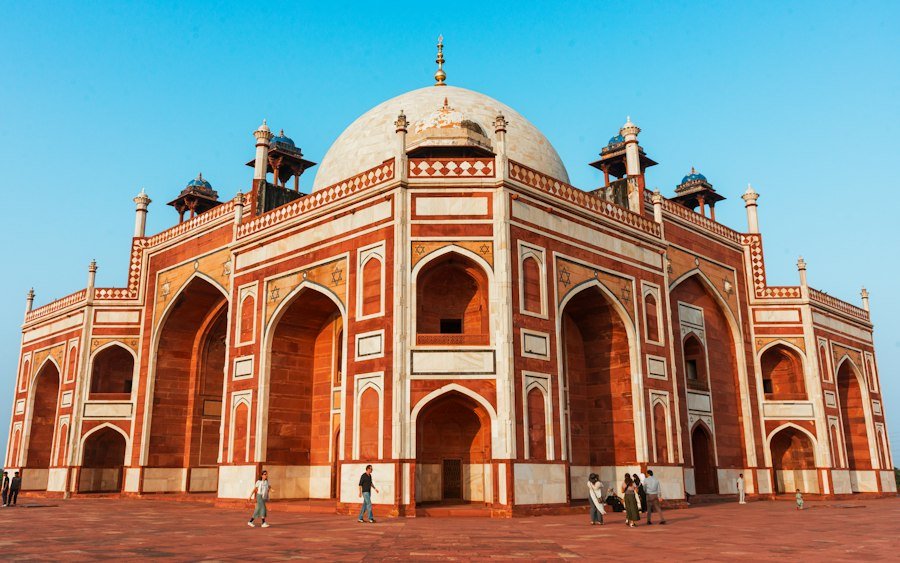
Finding a great budget hotel near tourist hotspots isn’t just luck; it’s about employing smart search tactics and being a bit flexible. There are several approaches you can take to unearth those valuable finds.
Leveraging Booking Websites and Filters
Your first port of call should be major booking platforms like Booking.com, Expedia, Hotels.com, and Agoda. These sites have robust filtering options that are incredibly useful. Start by entering your destination and dates. Then, immediately apply filters for “price” (lowest first), “distance to city center/attractions,” and “guest review score.” A good minimum review score to aim for is 7.5 or 8 out of 10. Also, look for options like “free cancellation” just in case your plans shift.
Exploring Lesser-Known Neighborhoods with Good Transit
This is a golden rule for budget travel near attractions. Don’t limit your search to the immediate vicinity of the attraction itself. Instead, identify neighborhoods that are well-connected by public transport (subway, bus, tram) to the places you want to visit. For example, in Paris, while staying right next to the Eiffel Tower is pricey, neighborhoods like Montmartre (if you don’t mind the hills) or areas near a major metro line can offer more affordable options with easy access. In Rome, neighborhoods outside the immediate historical center but still within the city walls, like parts of Trastevere or Testaccio, might provide better value while still being a short bus or tram ride away from the Colosseum or Vatican. Do a quick search for the public transport map of your destination city to understand the network.
Considering Different Accommodation Types
“Hotel” isn’t your only option. Depending on your travel style and group size, other accommodation types can be more budget-friendly. Hostels, for example, often offer private rooms (not just dorms) that can be cheaper than a budget hotel and often have a more social atmosphere. Guesthouses or B&Bs, especially in European cities, can provide a more local feel and often include breakfast. In some cities, serviced apartments or aparthotels offer small kitchenettes, which can save a lot on food costs if you plan to cook some meals yourself.
Timing Your Booking and Travel
Prices fluctuate significantly based on demand. Booking well in advance, especially for popular seasons (summer, holidays), can often secure better rates. Conversely, if you’re a spontaneous traveler, sometimes last-minute deals pop up, but this is a gamble, particularly if you’re set on a specific location. Traveling during the shoulder season (spring or autumn) or off-season generally offers lower prices and fewer crowds. Mid-week stays are almost always cheaper than weekend stays.
Direct Booking and Loyalty Programs
Once you’ve identified a few potential hotels on booking sites, it’s worth checking their official websites directly. Sometimes, hotels offer better rates or exclusive perks (like free breakfast or a room upgrade) if you book directly with them. If you travel frequently, consider signing up for loyalty programs. Even budget chains often have them, and accumulating points can lead to free nights or discounts down the line.
Real-World Examples: Case Studies
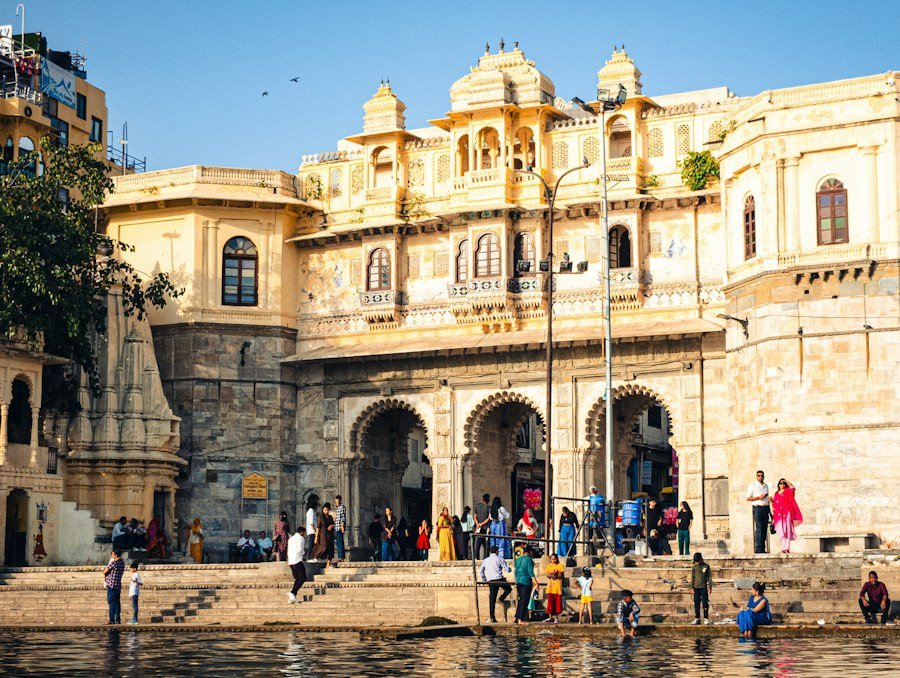
Let’s dive into some specific examples to illustrate how these strategies play out in popular tourist destinations. This isn’t an exhaustive list, but rather a snapshot of areas that often provide good value.
London: Beyond Zone 1
Staying in London’s Zone 1 (where most major attractions like the Tower of London, British Museum, and Westminster Abbey are) can be eye-wateringly expensive. However, look to areas in Zone 2 or even Zone 3 that are well-served by the Underground (Tube) or Overground.
Example Areas for Value:
- Earl’s Court/Kensington Olympia: While still somewhat central, you can often find better deals here than in Westminster or Covent Garden. It’s on the District and Piccadilly lines, offering direct access to many sights. You’re also close to Hyde Park and museums like the Natural History Museum. Look for smaller independent hotels or B&Bs.
- Stratford: East London’s Stratford, especially around the Olympic Park, has seen a lot of development and offers numerous modern hotel options. It’s a transport hub with the Central Line, Jubilee Line, DLR, and Overground, getting you to central London sights in 20-30 minutes. The Westfield shopping center also means plenty of food options.
- King’s Cross/St Pancras (edges): While the immediate area around the stations can be pricey, slightly further out, or some of the smaller, older hotels, can offer good value. This area is fantastic for transport with multiple Tube lines and national rail connections. You’re also relatively close to the British Library and Camden Town.
Paris: Metro Line Accessibility
Paris is another city where staying right on top of a landmark will cost you. The metro system is incredibly efficient, making almost any neighborhood a viable option if it’s near a station.
Example Areas for Value:
- 18th Arrondissement (Northern Montmartre/Lamarck-Caulaincourt): While Sacré-Cœur itself is very touristy, further north in the 18th, you can find charming, more affordable hotels. The Lamarck-Caulaincourt metro station connects you directly to the city center on Line 12. Be prepared for hills, but the local vibe is wonderful.
- 10th Arrondissement (near Gare du Nord/Gare de l’Est): While these areas can feel busy and less charming than others, they are transport powerhouses. Many budget-friendly hotels are clustered around these train stations. You have multiple metro lines and RER lines providing excellent access to all major attractions. Plus, there are plenty of inexpensive eateries.
- 13th Arrondissement (near Place d’Italie): This largely residential and often overlooked district offers more contemporary and affordable hotel options. With multiple metro lines converging at Place d’Italie (Lines 5, 6, 7), you’re well-connected to the Latin Quarter, Notre Dame, and other central sights. It’s also known for its vibrant Asian Quarter, offering fantastic food.
Rome: Beyond the Pantheon’s Shadow
Rome’s historical center is compact but pricey. Expanding your search just a little outwards can yield significant savings without sacrificing too much convenience.
Example Areas for Value:
- Esquilino/Termini Station Area: While the area around Termini can be a bit chaotic, it’s the city’s main transport hub for buses, metro, and trains. Many budget hotels are here, often in older buildings. You’re also within walking distance of the Colosseum and Roman Forum (about 20-30 minutes) and can easily reach other sights via public transport. Just be mindful of your surroundings, especially at night.
- Trastevere (east bank of the Tiber): This charming, atmospheric neighborhood is known for its narrow cobblestone streets, artisan shops, and lively nightlife. While some parts are pricey, further from the Ponte Sisto bridge, you can find guesthouses and B&Bs at better rates. It’s a tram ride (Tram 8) or a decent walk across the river to the historical center.
- San Giovanni/Re di Roma: These residential areas are a bit further out but are well-connected by Metro Line A. You’ll find more local shops and restaurants, and hotels here tend to be more affordable. You can reach the Vatican or Spanish Steps directly on the metro within about 15-20 minutes.
What to Look Out For and Avoid
Even when searching for budget options, there are red flags and crucial details to consider that can make or break your stay. Being aware of these will help you avoid unpleasant surprises.
The “Too Good to Be True” Trap
If a hotel seems incredibly cheap for its location, do extra digging. Sometimes, this can indicate a less-than-ideal situation. Read recent reviews very carefully. Look for mentions of excessive noise, cleanliness issues, poor customer service, or safety concerns. A very low price might also mean it’s a “capsule hotel” or a very basic hostel-style setup, which might not be what you’re expecting. Always double-check the exact room type you are booking.
Understanding Hidden Costs
The advertised price isn’t always the final price. Watch out for:
- City Taxes/Tourist Taxes: Many European cities levy a per-person, per-night tourist tax that is often collected upon check-in and isn’t included in the initial booking price. This can add a few extra dollars (or euros) to your bill.
- Resort Fees: Less common in urban budget hotels, but some might have an additional “facility fee” that covers Wi-Fi, gym access (if available), or other amenities.
- Breakfast Costs: If breakfast isn’t explicitly stated as “included,” assume it’s an extra charge. Sometimes it’s worth paying for convenience, but often you can find cheaper and more authentic options at local cafes.
- Wi-Fi Charges: While less common now, some older or very budget hotels might still charge for Wi-Fi. Confirm it’s free, especially if you rely on it.
Prioritizing Safety and Security
Even in budget hotels, safety should not be compromised. Always check recent reviews for any mentions of security concerns. Look for hotels with 24-hour reception, secure key card access, and well-lit common areas. If traveling solo, especially as a woman, this becomes even more critical. Research the neighborhood a bit on Google Maps Street View to get a feel for the surroundings.
The Importance of Good Reviews (But Not Perfect)
Aim for hotels with an average rating of at least 7.5 or 8 out of 10 on major booking platforms. Read a variety of recent reviews, both positive and negative. Don’t be immediately deterred by one or two minor complaints, but pay attention if multiple reviewers mention the same significant issue (e.g., paper-thin walls, broken amenities, persistent bad smell). Look for patterns. Also, check how the hotel responds to reviews – a hotel that genuinely tries to address issues often indicates good management.
Making the Most of Your Budget Stay
| Hotel Name | Location | Nearby Attraction | Average Nightly Rate | Guest Rating (out of 10) | Distance to Attraction (miles) | Free Wi-Fi | Breakfast Included |
|---|---|---|---|---|---|---|---|
| City Inn Express | New York, NY | Times Square | 120 | 8.2 | 0.3 | Yes | No |
| Budget Stay Central | Paris, France | Eiffel Tower | 95 | 7.8 | 0.5 | Yes | Yes |
| Traveler’s Lodge | Rome, Italy | Colosseum | 85 | 8.0 | 0.4 | No | Yes |
| Sunset Budget Hotel | Bangkok, Thailand | Grand Palace | 40 | 7.5 | 0.6 | Yes | No |
| Metro Budget Inn | London, UK | British Museum | 110 | 8.3 | 0.2 | Yes | Yes |
So you’ve found your budget-friendly hotel near the attractions. Now, how do you maximize your experience and stretch your dollars even further?
Leveraging Public Transport Passes
Since you’re likely relying on public transport from your budget-friendly but slightly further-out hotel, consider investing in a multi-day public transport pass. Most major cities offer them (e.g., Oyster Card in London, Navigo Découverte in Paris, Roma Pass in Rome). These can offer significant savings compared to buying individual tickets, especially if you plan on using transit multiple times a day. Do the math based on your anticipated usage.
Planning Your Days Strategically
Because your hotel might be a short journey from some attractions, group your sightseeing. Try to visit attractions in the same general area on one day to minimize travel time and costs. For example, in London, you might dedicate one day to Westminster Abbey, the Houses of Parliament, and Buckingham Palace, as they are all relatively close. On another day, focus on the British Museum and Covent Garden.
Utilizing Hotel Amenities Wisely
If your budget hotel offers free breakfast, even if it’s basic, take advantage of it! It’s one less meal you have to buy. If there’s a mini-fridge in your room, use it to store snacks, drinks, or even sandwich ingredients you pick up from a local grocery store, saving you money on restaurant meals. Many budget hotels offer free Wi-Fi, which is great for planning your next day or staying in touch.
Exploring Local Eateries and Markets
Steer clear of the tourist traps right outside major attractions if you’re looking to save on food. Wander a few blocks away from the main drag, or better yet, ask hotel staff for recommendations for local, affordable restaurants. Exploring local markets (like Borough Market in London, Marché des Enfants Rouges in Paris, or Mercato Centrale in Rome) can provide delicious and budget-friendly meal options, often allowing you to sample local specialties without the sit-down restaurant price tag.
By keeping these tips in mind, you can absolutely enjoy the convenience of staying near popular tourist attractions without having to empty your wallet. It’s all about smart planning, realistic expectations, and being a savvy traveler. Happy travels!